Technical learning and supply chains
I use AI to learn electronics, hydraulics, schematics, and the component supply chains behind heavy equipment.
Electronics and hydraulics
I use AI explanations, audio lessons, questions, and interactive reference tools to build my understanding of electrical and hydraulic systems. The work includes voltage, current, resistance, power, relays, solenoids, transistors, PWM, and CAN.
My audio learning material uses pauses to answer aloud and then compare my explanation. That gives me a way to work through concepts while listening. Interactive exercises and diagrams provide another way to return to the same subject.
Reading hydraulic and electrical schematics is an explicit learning project. I want to understand the components and follow what the diagram says about how the machine works.
Following a command through a machine
One path I have been studying connects an operator’s command with the machine’s response. It helps join electronics and controls to the hydraulic equipment I already work around.
- Operator inputA control command starts with the operator.
- Transmitter and radio linkThe command is communicated.
- Receiver or controllerThe machine receives and interprets the command.
- Valve and actuatorThe electrical command connects to hydraulic control and movement.
The command path and the source of hydraulic power have different roles. Tracing both helps me ask clearer questions about signals, outputs, valves, and the work the machine needs to perform.
Heavy-equipment supply chains
I am also using AI to investigate equipment at component level: what is in the machine, who makes it, where it comes from, and what alternatives could fit the application.
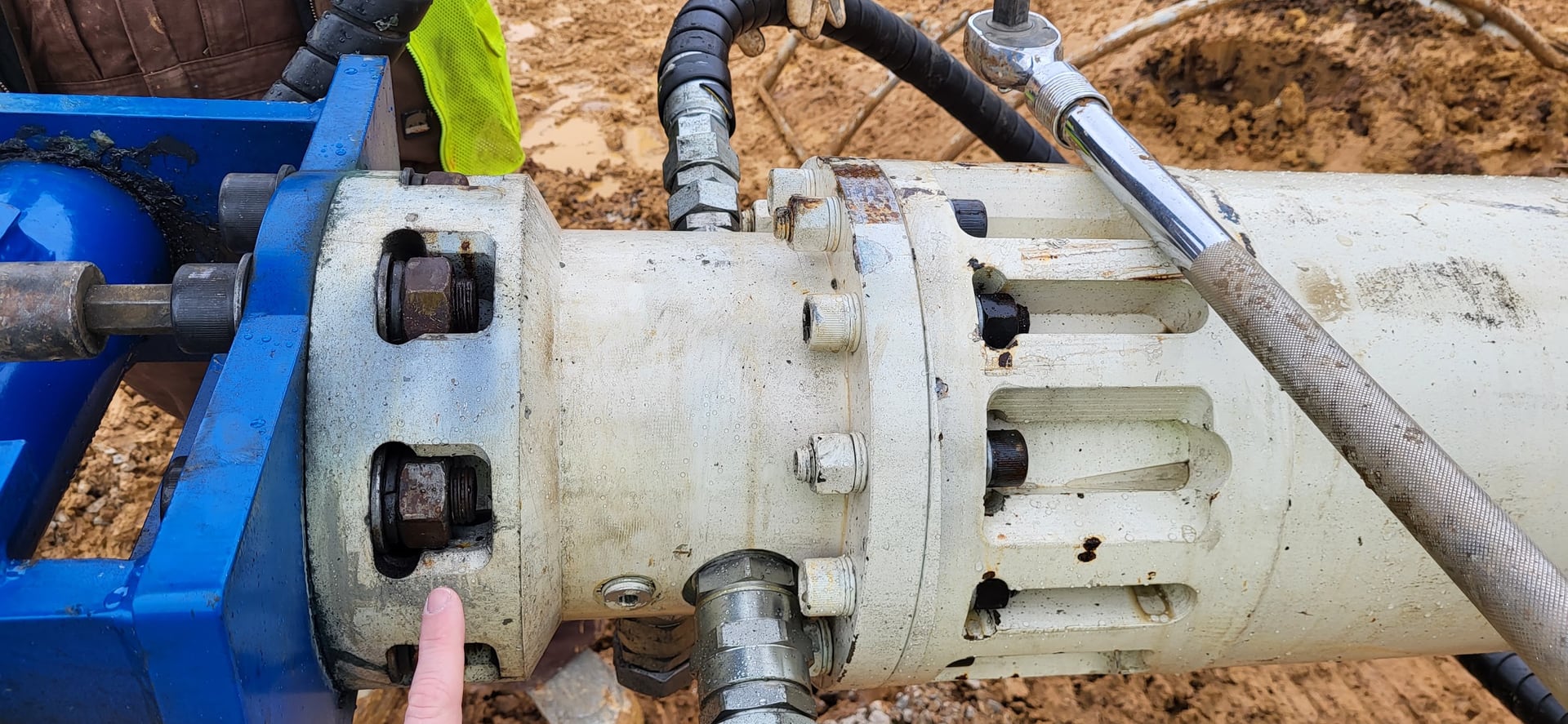
The research includes comparing bills of materials for equipment of similar class and duty, studying equipment and component manufacturers, and following patents, public records, and market developments. A useful comparison has to account for what the machine does and what each component is required to deliver.
| Question | Research focus |
|---|---|
| What is the machine doing? | Application, duty, and operating requirements. |
| What makes that possible? | Components, assemblies, interfaces, and controls. |
| Who supplies it? | Manufacturers, product families, production location, and supply options. |
| What changes the decision? | Technical fit, qualification, availability, service, and commercial terms. |
This is developing research. A manufacturer’s confirmed bill of materials and a preliminary comparison assembled for investigation have different evidentiary value.
Applying the learning
The foundation-drill project brings these questions together. It gives the research a specific machine and a U.S.-only component sourcing goal.
Explain the system back in the language of the application
A useful learning exercise is to take one machine function and explain the path back in my own words. What does the operator want to happen? Where is the command interpreted? Which part of the schematic supports the explanation, and where am I filling a gap with an assumption?
That exercise connects the audio lessons to the equipment rather than leaving a list of terms to memorize. It also gives the next technical conversation a purpose. If I cannot explain an interface or follow the diagram through a particular component, that is the question to take back to the documentation or a specialist. The aim is not to make an explanation sound sophisticated. It is to become more precise about what I understand before relying on it in research or a commercial discussion.