Project context
My work with Zan’s began while I was at Rush, through years of customer follow-up and equipment support. I later became the company’s operations manager. That sequence gave me experience on both sides of the equipment decision: supplying a fleet and keeping its collection work moving.
From customer request to equipment decision
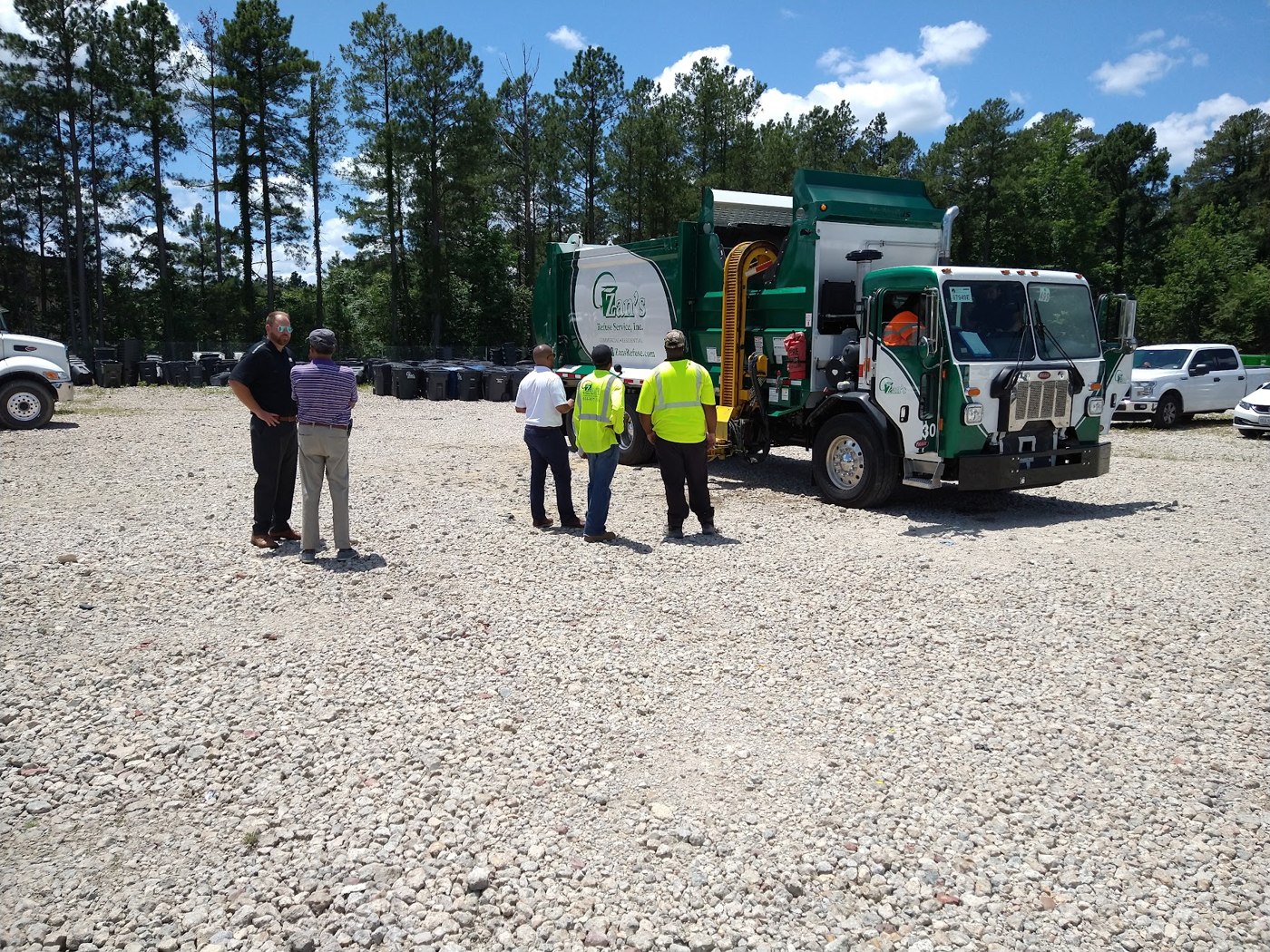
I asked about the labor problem behind a request for rear loaders and introduced automated side loaders as an alternative. The discussion covered the collection method and what the customer would need to operate it. The relationship developed through equipment purchases, rentals, and continued follow-up.
Training, parts, and maintenance
I arranged manufacturer training on operation and maintenance, helped plan maintenance, and worked on stocking frequently needed parts. I connected the local opportunity with Rush’s specialized refuse resources. The support around the truck was part of the equipment decision.
Inside fleet operations
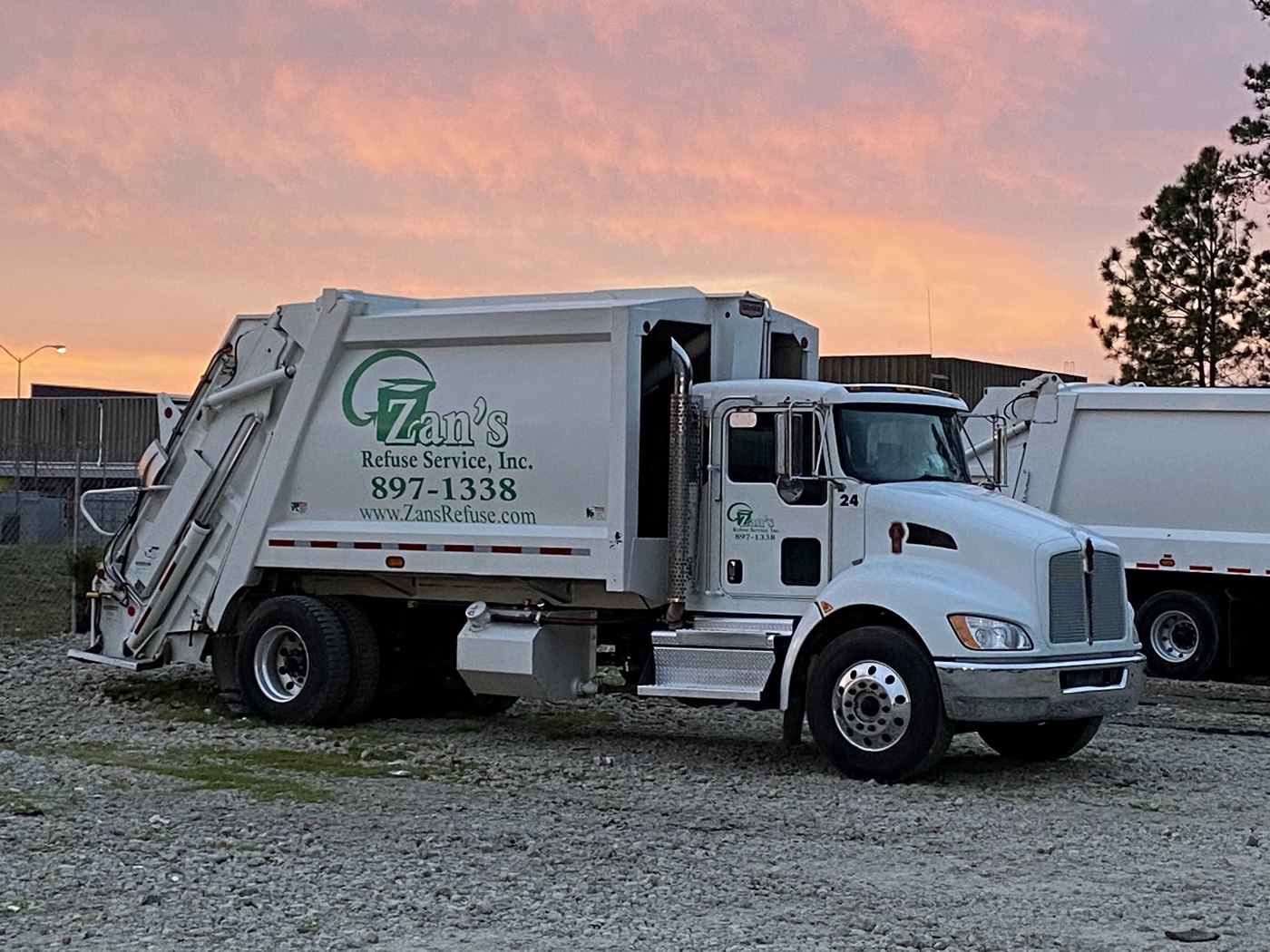
At Zan’s, I led drivers and office personnel, planned routes and collections, and coordinated maintenance. I also worked directly with equipment problems, including hydraulic-motor replacement and troubleshooting. Service commitments depended on having equipment and people ready for the next collection day.
Operating systems and cost decisions
Working inside the fleet exposed opportunities in maintenance planning, operating information, and purchasing. Fuel was one example: I worked on an opportunity to move from retail purchases toward bulk purchasing and more predictable pricing.
Professional contribution
This work connected customer discovery and equipment adoption with the daily realities of routes, labor, maintenance, parts, and operating cost.