Project context
My truck work became increasingly technical as I learned how customers used the equipment. A truck specification started with the job: what it had to carry, lift, collect, or deliver, and how the customer planned to operate and support it.
Customer discovery
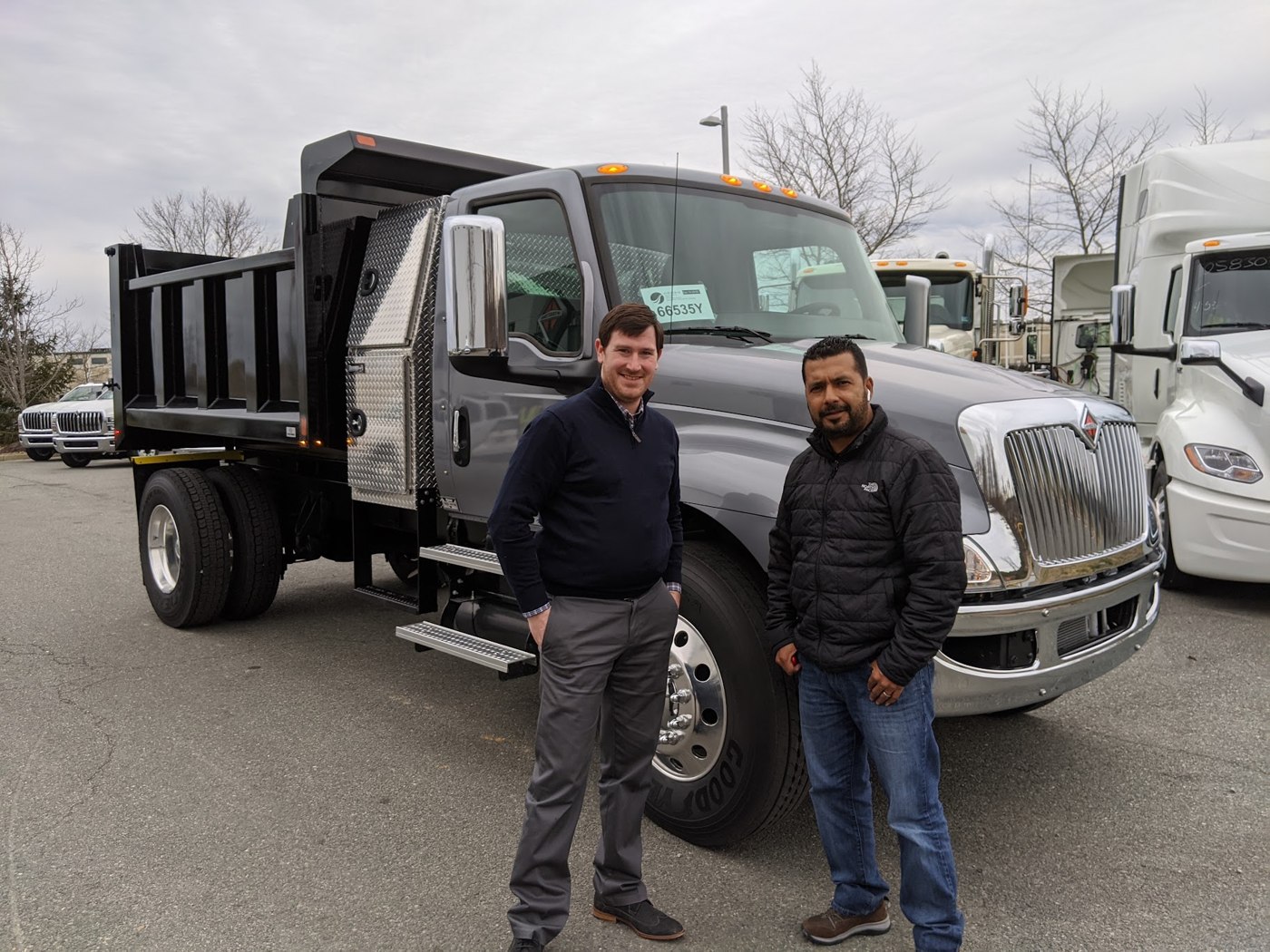
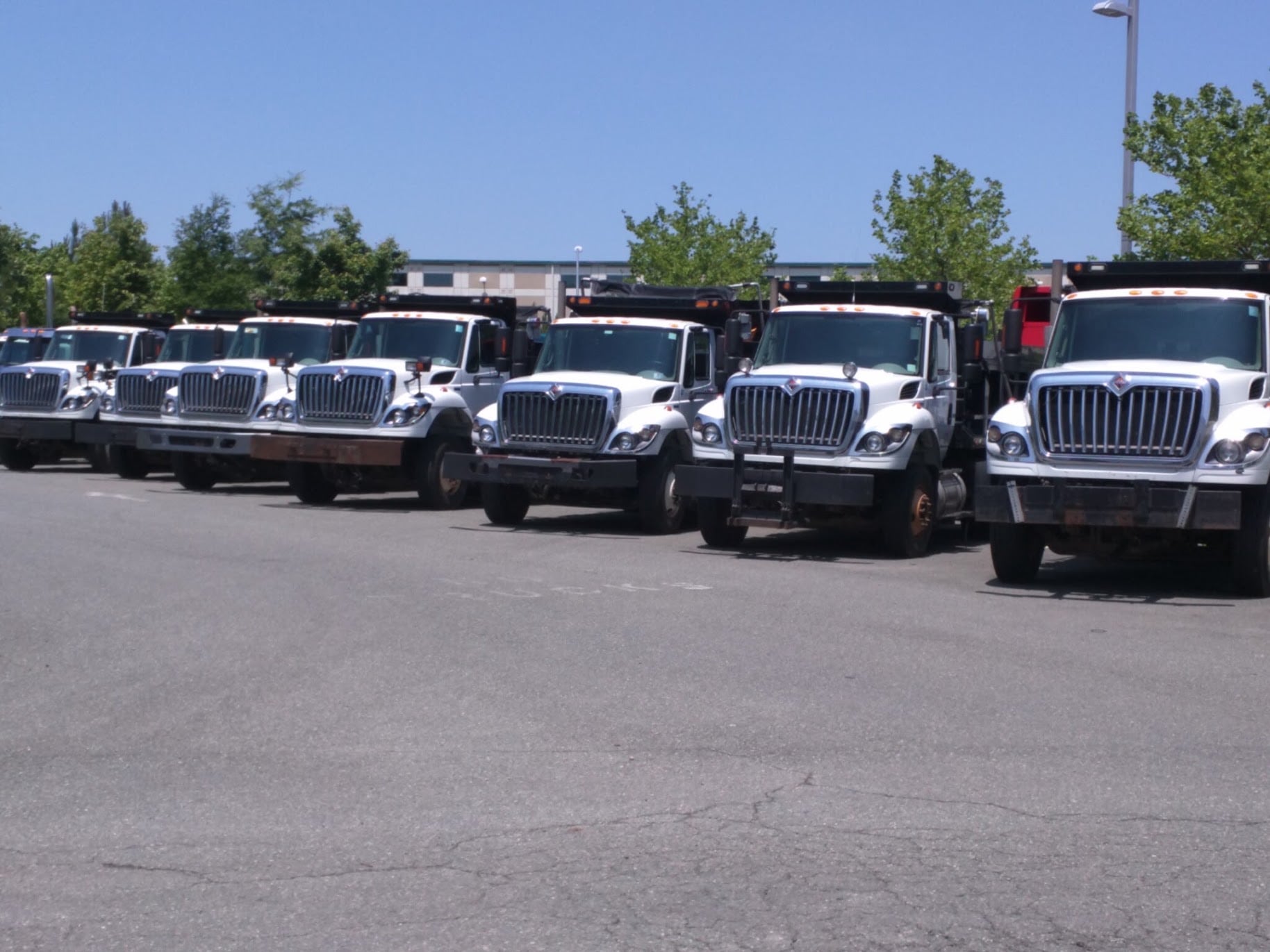
Early in my Rush work, I developed a customer the branch had not served and sourced ten used dump trucks. I involved experienced colleagues for technical support. As I took on more specialized applications, the discovery conversation became more important: understanding the work well enough to know what questions to ask and which expertise to bring in.
Growing the refuse market
I sought out refuse opportunities and connected local customers with Rush Refuse Systems. The work included rear loaders, side loaders, front loaders, and rental availability. I developed customer relationships over years of calls and emails, so I was already in the conversation when a requirement became urgent.
Hino and body configurations
I worked on Hino business development in Virginia, including marketing, customer development, a secondary office, and coordination with body suppliers. Configuring a truck for the application meant bringing the customer’s specifications, chassis, body, and available supply into one offer.
Technical learning
Refuse trucks and crane-equipped trucks for stone-handling applications pushed me deeper into equipment requirements. I learned through customer discovery, specification work, experienced colleagues, and the practical problems that appeared between an initial request and delivery.
Follow-up and delivery
Long sales cycles required a record of the application and a reason to keep in touch. I stayed involved through sourcing, configuration, and delivery, then continued the relationship through rental and support needs. The Zan’s case shows how that customer relationship developed into operating responsibility.
Professional contribution
The work developed both my application knowledge and my ability to build a market through disciplined follow-up. Customer discovery became the link between commercial development and the technical requirements of the equipment.