An early customer relationship
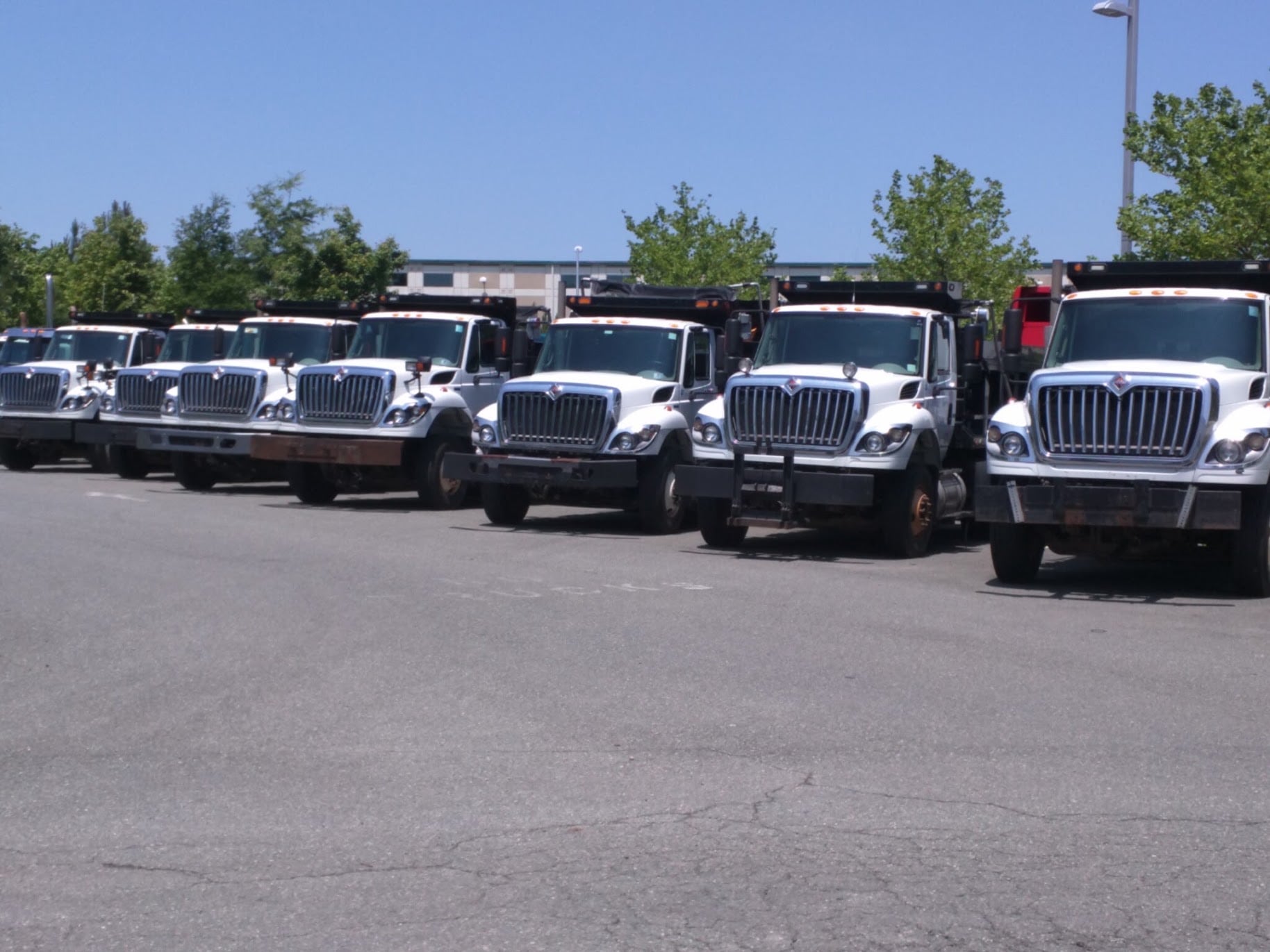
Early in my Rush work, I developed a customer the branch had not served and sourced ten used dump trucks. My presentation preserves the transaction as “First truck sale – 10 units full cycle.” The photograph gives that early story a concrete place in the archive.
It was also a learning experience. I involved experienced colleagues for technical support. Developing the customer and finding equipment went alongside learning which questions I could answer and where I needed someone else’s knowledge.
What sits behind the line of trucks
A photograph records the machines together. The commercial work begins with the customer’s requirement and continues through the people, available equipment and decisions needed to carry the transaction forward. In this case, the record establishes a new customer relationship, sourcing ten used trucks and support from experienced colleagues.
Develop the customer
Open a relationship with a customer the branch had not served.
Find the equipment
Source ten used dump trucks around the requirement.
Bring in technical help
Work with experienced colleagues as the equipment questions develop.
Carry the full cycle
The presentation records this as a full-cycle truck transaction.
How the work developed
As my truck work became more specialized, customer discovery became increasingly technical. Refuse equipment, Hino configurations and crane-equipped trucks brought different application questions. What had to be carried, collected or lifted? How would the operator use and support the equipment?
Those later cases carry the story forward. The refuse project, in particular, follows the relationship from equipment discussions into training, parts readiness and eventually responsibility inside a collection business.
Why I kept this photograph
This is an early example of the working pattern I continued to develop: learn the customer’s operation, find the relevant capability and involve the people who can help carry the work through. The broader vocational-truck chapter connects that beginning with the applications that followed.
Source: David’s career account and equipment presentation, as used in the existing vocational-truck case. Customer identity and transaction value are not included.